EUR / USD
EUR/USD faced moderate downward pressure as Eurozone inflation unexpectedly rose to 2.1% in August, while core inflation remained elevated at 2.3%, complicating the ECB's monetary policy decisions. Technical analysis reveals a bearish momentum with the pair trading below key short-term moving averages, having declined 0.6% and testing crucial support levels at 1.15.
Political uncertainty in France and broader fiscal concerns across Europe are contributing to negative sentiment, while the prospect of a Fed rate cut in September adds another layer of complexity to the currency pair's outlook. The persistent manufacturing weakness in both the US and the Eurozone, coupled with rising global bond yields, suggests continued volatility.
Current market conditions and technical indicators suggest the bearish trend may continue toward the 1.1500 mark; however the support at 1.1600 has to be breached first in a sustainable manner to confirm this momentum.
USD / JPY
The USD/JPY pair continues to demonstrate resilience, while showing sustained bullish momentum towards the 200-day MA of 148.86 yesterday. The combination of robust US Treasury yields, and overall dollar strength has pushed USD/JPY toward the 148.35 level, with a potential for movement toward the August high of 150.90 given that the near-term resistance breaks. Market participants are closely monitoring upcoming US employment data, particularly the non-farm payrolls report, which could significantly impact Fed policy expectations and subsequent USD/JPY movements.
Political uncertainty in Japan, marked by the resignation of key Liberal Democratic Party officials, has emerged as an additional pressure point for the currency pair, raising concerns about potential shifts toward more expansionary fiscal policies.
Should bearish yen momentum develop, a break above 148.50 could trigger a rally toward the 150.00 level; however, more will hinge on the dollar sentiment rather than yen's relative performance.
GBP / USD
GBP/USD has experienced significant downward pressure, dropping 1.2% and breaking through key technical support levels, including the 100-day moving average at 1.3450. This decline can be primarily attributed to mounting concerns over UK public finances and bond market stress, with the 30-year gilt yield reaching its highest level since 1998 at 5.73%.
The currency pair is currently at a critical technical juncture, hovering near the 1.3400 level, while maintaining a position above the long-term support of the 200-day moving average at 1.3050. The market's negative sentiment is being driven by investor anxiety about the UK's fiscal position, with particular concerns centred on high inflation, sluggish growth, and substantial borrowing needs.
Recent political developments have failed to restore market confidence, suggesting continued vulnerability for the pound against a broadly stronger US dollar. The technical outlook indicates that while a bullish reversal could occur if buyers defend current support levels above 1.3400, a break below 1.33 could accelerate selling pressure towards the next major support at 1.31.
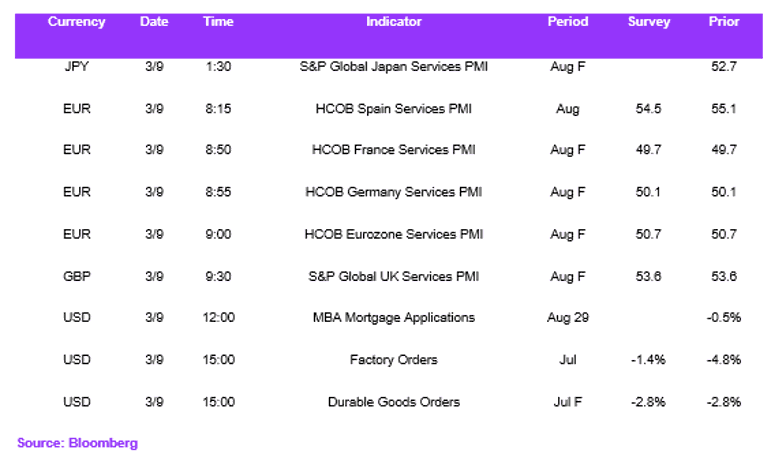
Economic Calendar