EUR / USD
EUR/USD remained within a tight range, supported by the 1.1550 mark while being capped by short-term moving averages, with 100 SMA at 1.1643 being critical. Recent German ZEW economic sentiment data disappointed expectations, highlighting persistent challenges in Europe's largest economy despite ECB President Lagarde's optimistic rhetoric about the Eurozone's outlook.
Despite easing political uncertainty in France, weakness in German Bund yields, which reached a 3-month low at 2.583%, has limited the euro's ability to sustain meaningful rallies. The stark contrast in monetary policy expectations, with markets pricing a 97% probability of a Fed rate cut versus just 2% for ECB easing, continues to influence price action.
A breakthrough above 1.1700 could trigger momentum toward 1.187; however, the current technical and fundamental landscape suggests an increased probability of a retreat toward support at 1.156.
USD / JPY
USD/JPY remains elevated, maintaining levels above key moving averages despite a recent 0.3% decline from 152.2 to 151.8. Technical indicators suggest a robust uptrend, with crucial support established at the 150.0 and immediate resistance at 153.2.
The fundamental landscape is dominated by the stark monetary policy divergence between the Federal Reserve and Bank of Japan, with markets pricing in a 97% probability of a Fed rate cut at the October meeting while the BOJ maintains its cautious stance. However, intervention risks have escalated following Japanese Finance Minister Kato's warnings about excessive currency movements, particularly as the pair trades near sensitive levels.
The longer-term outlook for the yen shows potential support from the IMF's upward revision of Japan's economic forecast and expectations of gradual BOJ rate hikes. However, near-term movements remain vulnerable to safe-haven flows driven by US-China trade tensions and global economic uncertainties.
GBP / USD
GBP/USD faces significant headwinds as the UK's deteriorating economic fundamentals contrast sharply with broader market dynamics, particularly evident in the recent test of the crucial support of 1.3250. Rising unemployment, which reached 4.8%, combined with moderating wage growth of 4.7%, suggests structural weakness in the British economy that could prompt the Bank of England to shift its monetary policy stance.
Technical analysis reveals a precarious position for the pair, with price action caught between critical moving averages - below both the 50-day and 20-day indicators at 1.3475 and 1.3424, respectively, while maintaining ground above the 1.3250 level.
The combination of deteriorating labour market conditions and persistent inflation pressures has created a challenging environment for sterling, with potential downside risks toward 1.3260 and possibly 1.3210 if current support levels fail to hold. The pair's future trajectory appears heavily dependent on incoming economic data and central bank guidance, with particular attention on whether the Bank of England will maintain its restrictive stance despite growing concerns about economic growth.
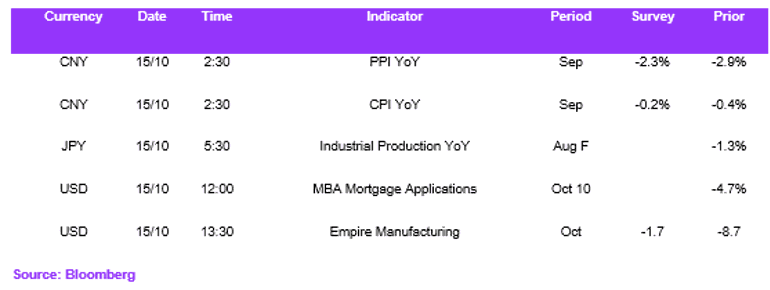
Economic Calendar