EUR / USD
The EUR/USD pair is navigating an increasingly nuanced monetary policy environment, with the Federal Reserve expected to deliver two rate cuts in 2026 while the ECB retains a more cautious and data-dependent stance. From a technical perspective, the pair is consolidating between key moving averages, with support holding near 1.16 and resistance capped around 1.17, pointing to a near-term range-bound phase.
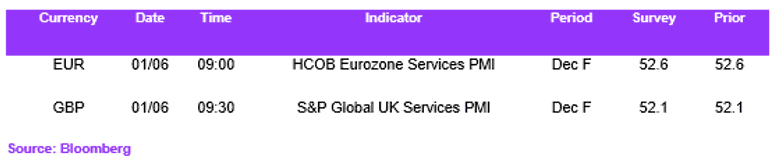
Manufacturing activity on both sides of the Atlantic remains in contractionary territory, though services continue to provide relative resilience. This is particularly evident in the euro area, where PMI readings remain consistent with modest expansion. A gradual narrowing in the divergence between US and European growth dynamics, alongside moderating yet stable Eurozone inflation, offers some underlying support to the euro.
Looking ahead, the forthcoming transition in Federal Reserve leadership introduces an additional layer of uncertainty. A more constructive scenario for EUR/USD could emerge should prices sustain traction above the 50-day moving average, opening scope for a move towards 1.180.
USD / JPY
USD/JPY is facing growing headwinds as the Bank of Japan continues its hawkish pivot. Governor Ueda’s commitment to further rate increases, underpinned by expectations of sustained wage and price growth, marks a clear departure from decades of ultra-accommodative policy. This shift is reflected in the Japanese 10-year government bond yield, which has climbed above 2.1% to its highest level in 27 years, reinforcing market conviction in Japan’s ongoing policy normalisation.
The narrowing interest rate differential between the US and Japan is becoming increasingly relevant, particularly as the Federal Reserve signals a more dovish outlook while the BOJ presses ahead with tightening. Adding to the complexity, calls from Japanese business leaders for currency intervention to counter yen weakness remain in focus. Technically, the pair continues to find support around 154.2, with resistance near 157.8.
Although USD/JPY remains above major moving averages, including the 200-day SMA at 149.7, the combination of BOJ normalisation, intervention risk and shifting Fed expectations suggests rising downside risks and elevated volatility in the months ahead. The 30-day VWAP at 156.0 remains a key near-term reference point.
GBP / USD
Economic Calendar